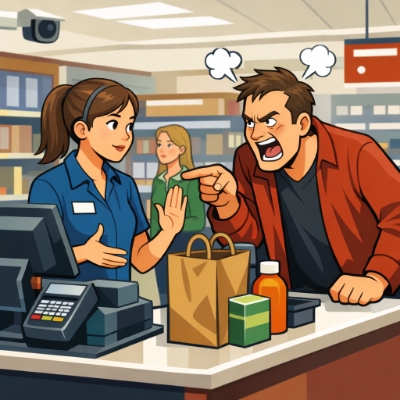
Dealing with upset customers comes with boundaries in retail. The situation becomes uncomfortable when someone begins to shout. The incident creates workplace tension for staff members while other customers in the area decide to dismiss the situation by avoiding eye contact. The entire shopping environment undergoes a complete transformation because of this incident.
The situations do not need to progress into complete chaos. The correct response enables people to control their emotions during intense conflicts which occur when everyone speaks loudly and shows strong anger. The Australian Retailers Association reports that nearly 70% of retail workers face rude customers on a weekly basis.
Retail workers must learn to handle difficult customer interactions because they experience aggressive behavior from customers during more than half of their weekly work hours.
Why Customers Shout: The Psychology Behind Raised Voices
Most people don't walk into a shop planning to cause a scene. Something has genuinely frustrated them, even if their reaction seems over the top.
What sets them off? Usually it's one of these things:
- They expected something different from what they got
- They've tried to sort the problem before and felt ignored
- They've been waiting too long or hit a wall with store policy
- Small irritations have piled up until something finally snaps
People tend to lose control of their emotions when they experience being trapped or receiving no respect. The person shows anger because they believe their attempts to speak up continue to be dismissed by others who refuse to listen to them. Your reactions to life situations will change when you choose to see things from a different perspective.
Pre-Interaction Preparation: Skills Before the Storm
Smart preparation happens before any customer gets upset.
Awareness of warning signs
Learn to identify problems at their initial stages. People display aggressive body language through their invasion of another person's space which they have not given permission to enter.
The detection of these signals allows you to step in before the person starts shouting at their maximum volume. The length of time available determines whether you will remain calm during the situation or need to act right away.
Clear store protocols
Every team member needs to know the store's protocols inside out:
- Who do you call if things escalate?
- What are the safety procedures?
- Where's the line for unacceptable behaviour?
Having these answers ready means everyone can act quickly and confidently when needed.
Immediate Response Techniques
Right, so someone's shouting. Here's what actually works.
Stay Calm and Centre Yourself
Your ability to stay calm serves as the starting point which determines everything that happens afterward. Take steady breaths and keep your voice level. Don't match their energy or volume.
Your ability to stay calm will help you control the situation which will cause the other person to slow down their aggressive behaviour. You have control over your own actions instead of letting them direct you.
The situation can be understood by comparing it to this example:
A customer is shouting at the service desk because their contactless payment was declined, but the bank app shows a pending charge. They are demanding immediate reversal and accusing staff of causing the issue.
If the staff member responds by speaking quickly, defending the system, or raising their voice to be heard, the customer becomes more aggressive and refuses to step back.
When the staff member instead pauses, lowers their voice, explains the payment authorisation delay, and states the exact steps being taken on the register, the customer’s behaviour slows because the situation is being controlled procedurally rather than emotionally.
Active Listening and Empathy
The process of stopping someone from shouting requires them to express their anger first. Give them proper attention. You should repeat back what they're saying to show them that you have understood their message.
You should recognise their feelings although you cannot agree with everything they state. People need to understand that emotional validation differs from behavior validation.
Simple phrases work well here:
- "I can see this has really frustrated you"
- "Let's sort this out together"
- "I hear what you're saying and want to help"
People often settle down once they feel genuinely heard rather than just processed. It's like releasing pressure from a valve. Once they believe you understand the problem, half the battle is already won.
Use Non-Threatening Body Language
What your body does is just as important as what you say:
- Keep hands visible and open
- Relax those shoulders
- Stand at a slight angle rather than square on
These small adjustments signal that you're not a threat. You maintain an open demeanor while actively seeking assistance instead of preparing for conflict. Your body language sends inappropriate signals when you cross your arms or stand at close distance even though you do not intend to convey those messages.
Set Respectful Boundaries
Understanding why someone would feel angry will not support any form of abusive conduct. You should express your desire to assist while maintaining respect in the discussion because this approach enables you to solve the issue effectively.
This protects you whilst keeping the door open for resolution. People need boundaries because these limits serve as essential restrictions which do not appear as impolite to others. You maintain your professional demeanour while providing assistance yet you establish specific boundaries which need to be respected. People will respect your established boundary after you have properly defined its limits.
Transitioning to Resolution
Once their initial anger starts cooling off, shift focus to actually solving the problem. This is where you move from managing emotions to managing outcomes.
Focus on Solutions
Ask clear questions about what they need. Offer specific options rather than vague promises. People who have options to choose from will experience a stronger sense of control which brings them significant relief.
The company should provide customers with two options which include getting their money back or exchanging their purchase for an alternative product. Give them real alternatives. The practice of using unclear statements such as "we'll see what we can do" leads to increased customer dissatisfaction.
Know When to Escalate
You occasionally require assistance to complete your assignments. You should ask your supervisor or another team member for help when your maximum work does not produce improved results. The arrival of a new person in this situation brings an opportunity for everyone to begin again. A person who can decide when to increase the intensity of a situation shows excellent decision-making abilities rather than any signs of weakness.
Safety Protocols: When to Seek Help
Most shouting stays verbal, but not always. If someone becomes physically threatening, everything changes immediately:
- Create distance between yourself and them
- Call for help from security or management right away
- Make sure other customers and staff are safe
Your wellbeing comes first, always. No job is worth getting hurt over. Trust your instincts here. If something feels unsafe, it probably is.
After-Action Reflection and Staff Support
Once settled, groups can sit down together to go over moves made, results seen, where things stand now.
Learning together through shared reflection builds teamwork, lessens loneliness, while also helping newer staff handle tough customer situations.
After tough situations, feelings and body responses tend to stick around - like flashbacks that come without warning. These moments need understanding, not avoidance.
Support through counselling helps keep staff well being strong while lowering chances of lasting stress at work places.
Building Confidence Over Time
Handling loud customers gets easier over time, despite those moments never truly feeling natural.
Staff start seeing signs of escalation once they’ve worked enough shifts. How customers act shapes which response fits best.
Figuring out what people want takes steady effort, shaped by many moments observing how things play out in everyday life.
Some cases do not end well, while skilled team members might still fail to get results done right.
What people say, how they sound, and how their body reacts can show patterns during tough moments. Watching these closely makes it easier later to recognise what might happen again.
The Bigger Picture
Every person's ability needs backing through how the organisation runs - training helps, so do straightforward procedures along with the standards. After something happens, checking in on people calms tension, builds respect, and leaves them interested in showing up.
Conclusion
Nobody enjoys dealing with a shouting customer, but you can develop the skills to handle these situations effectively. You should remember to use your available store tools when someone raises their voice during your work at the store. Take that breath, use what you've learned, and trust yourself. Learning the proper steps for dealing with difficult situations enables you to develop your ability to manage tough circumstances.