In today’s experience-driven hospitality industry, guest expectations are higher than ever. Travelers are no longer just looking for a place to sleep—they seek comfort, convenience, and personalisation. This is where hotel automation plays a transformative role. By leveraging advanced technologies and integrating systems across the property, hotels can create smarter, more efficient environments that not only streamline operations but also greatly enhance guest satisfaction.
The Shift Toward Smart Hospitality
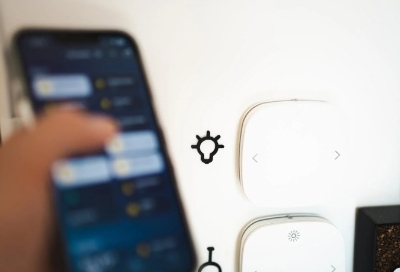
Hotel automation is part of a broader movement toward smart buildings, where systems like lighting, HVAC, security, and entertainment are integrated and intelligently managed. In a hotel, this means providing guests with personalised control over their environment, whether it’s adjusting the room temperature, setting lighting scenes, or controlling the blinds—all through a single interface, often a mobile app or a bedside tablet.
These seamless experiences leave a lasting impression, making guests more likely to return and recommend the property to others.
Enhancing Comfort and Convenience
One of the key benefits of hotel automation is the ability to offer guests a highly customisable stay. With the touch of a button, they can adjust lighting for reading, set the thermostat to their preferred temperature, or even schedule wake-up lighting instead of relying on a traditional alarm clock.
Voice assistants and mobile room keys add to the sense of control and comfort. Imagine a guest walking into their room for the first time, and the lights gently turn on, the temperature is just right, and soft music begins to play—this is the power of smart automation.
Operational Efficiency for Staff
Automation doesn’t just benefit guests—it also improves operational efficiency for hotel staff. Automated check-in and check-out processes reduce wait times at the front desk. Housekeeping systems can notify staff in real time when a guest has vacated the room, making room turnover faster and more efficient.
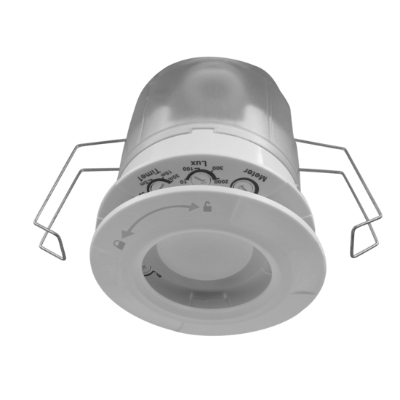
Smart sensors can detect occupancy, helping optimise energy use by turning off lights and adjusting the HVAC system when rooms are unoccupied. This contributes significantly to cost savings and sustainability efforts.
Integrating with Building Systems
Behind the scenes, these smart features are often managed by a building management system (BMS). A BMS allows hotels to monitor and control key mechanical and electrical systems across the property in real time. From temperature and air quality to water usage and energy performance, everything is centralised for better oversight and control.
This integration not only supports smooth day-to-day operations but also helps in predictive maintenance, reducing downtime and ensuring a consistently high-quality guest experience.
The Role of Building Automation
Hotel automation is a specialised branch of building automation, designed with guest comfort and hospitality standards in mind. By implementing such systems, hotels can proactively respond to guest needs and eliminate pain points—such as rooms being too cold, lights being too dim, or check-in taking too long.
These systems also collect valuable usage data, enabling hotels to make informed decisions and offer personalised services based on guest preferences.
Final Thoughts
In a competitive hospitality landscape, guest satisfaction is everything. Hotel automation, powered by smart technology and centralised control, is no longer a luxury—it’s an expectation. As hotels embrace building automation and move toward becoming smart, guest-focused environments, they set themselves apart by offering truly memorable and modern stays.
The author is working at a recognised company specialised in smart building control systems. He often writes articles on smart buildings and energy management for his online readers. Visit https://mysmart.com.au/