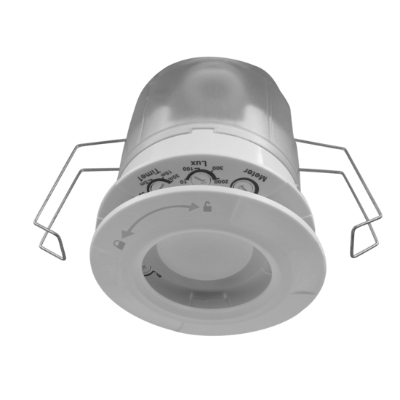
In the fast-paced world of Australian commerce, the push for energy
efficiency and operational excellence has never been stronger. As
businesses across the country strive to meet ambitious ESG targets and
reduce overheads, the role of intelligent infrastructure has moved from a
"nice-to-have" to a strategic necessity. At the heart of this shift is
the modern lighting control system, a sophisticated network designed to manage illumination with precision while slashing waste.
The Shift Toward Intelligent Infrastructure
For
Australian facility managers, the days of relying on manual switches
for warehouses or multi-storey offices are long gone. Modern commercial
environments now demand a robust lighting control system
framework that integrates seamlessly with existing building management
systems (BMS). These systems do more than just turn lights on and off;
they provide granular data on occupancy patterns and energy consumption,
allowing for informed decision-making.
In 2026, the integration of high-level lighting automation
has become a benchmark for Section J6 compliance under the National
Construction Code (NCC). By automating responses to environmental
changes, businesses can ensure they are not over-lighting empty
corridors or keeping high-bay LEDs at 100% capacity when natural
Australian sunlight is doing the work.
Key Strategies for Commercial Efficiency
To get the most out of an automated setup, several core strategies are typically employed in B2B environments:
- Daylight Harvesting: Sensors detect the amount of natural light entering a space and dim the artificial luminaires accordingly, maintaining a consistent lux level.
- Occupancy and Vacancy Sensing: Using microwave or PIR sensors to ensure lights only operate when staff are present in zones like loading docks, car parks, or office clusters.
- Task Tuning: Adjusting the maximum light output to suit the specific task at hand, for instance, providing higher illumination for intricate assembly lines while keeping transit areas at lower, safer levels.
- Time Scheduling: Aligning the building's lighting profile with shift patterns, ensuring safety during peak hours and maximum savings during lockdowns.
Why the B2B Sector is Leading the Charge
The Australian industrial and commercial sectors face unique challenges, from the harsh glare of the sun to stringent safety standards like AS/NZS 1680. Implementing professional-grade automation isn't just about saving a few dollars on the power bill; it’s about creating a responsive environment that enhances employee focus and ensures safety in high-risk zones. In a warehouse setting, for example, automated dimming can reduce heat load, which in turn lowers the strain on cooling systems, a vital consideration during a sweltering Australian summer.
Final Thoughts
Transitioning
to an automated lighting environment is one of the most effective ways
for Australian enterprises to future-proof their operations. By moving
away from static, "always-on" configurations, businesses can achieve
substantial energy reductions while maintaining a safe and productive
workplace. As technology continues to evolve, those who embrace these
intelligent systems will find themselves at a distinct competitive
advantage, balancing sustainability with a healthier bottom line. For
learn more https://mysmart.com.au/solutions/lighting-control/