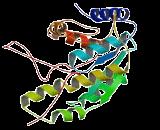
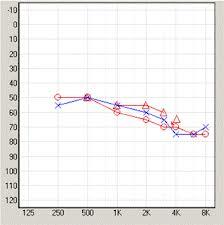
Connexin 26 is a protein that builds specialised conduction channels between cells in the cochlea. In particular, Connexin 26 permits the circulation of K+ (Potassium) that is released from endolymph in scala media during cell depolarisation after perception of a sound. The overflow of potassium must find its way back into the endolymph and the micropores constructed from Connexin 26 are essential for this to occur otherwise deafness arises. Some 50% of non syndromic hearing losses are believed due to defects in the construction of Connexin 26.
The defect in Connexin is due a deletion of part of the gene sequence. Each gene sequence that codes for a specific protein manufacture has a start and stop codon. The deletion causes the stop codon to be read prematurely shortening the protein causing its function to be defective.