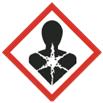
What is a Hazardous material? Since September 2015 the Australia’s classification of a ‘hazardous’ chemicals has now been changed to the UK approach as per the ‘Globally Harmonised System of Classification and Labelling of Chemicals Third revised edition’, published by the United Nations. Before the release of the new hazardous labelling code of practice released September 2015, Australia classified and stored chemicals as per the ADG code (Australian Dangerous Goods).
How does this change your workplace? This UK system requires a hazard pictogram, hazard signal word and a hazard statement. The GHS specifies nine hazard pictograms, having regard to physical, health and environmental hazards. How is this different to the ADG?
The criteria for any of the following GHS hazard classes and categories:
• acute toxicity – Category 4 (oral, dermal, inhalation)
• aspiration hazard – Category 1
• serious eye damage/ eye irritation – Category 2A
• skin corrosion/irritation – Category 2
• specific target organ toxicity (single exposure) – Category 3.
This new approach now will change the degree of risk management to ‘now’ hazardous chemicals whish weren’t previously hazardous as per the ADG definition. To minimise confusion a current risk assessment should be completed. If you require a Risk Assessment, Occupational Matters can help with minimise health exposure effects. www.occmatters.com.au
http://www.safeworkaustralia.gov.au/…/hazardo…/ghs/pages/ghs