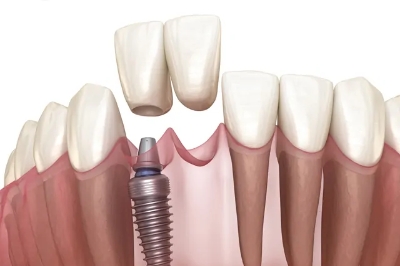
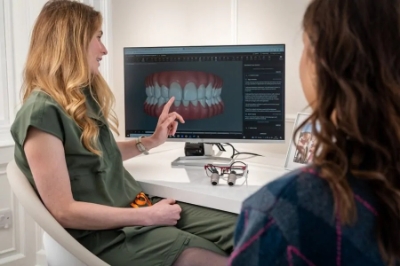
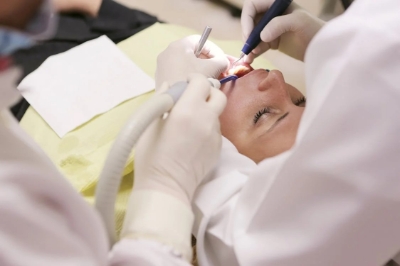
Dental implants have become a trusted solution for replacing missing teeth, thanks to their strength, durability, and natural feel. Once fully healed, they often function just like your original teeth. However, implants are not entirely maintenance-free issues can develop if aftercare is overlooked or complications arise. Knowing the early signs of trouble can help you protect your investment and prevent long-term damage.
1. Ongoing Pain or Discomfort
Mild soreness is normal in the first few days after surgery, but persistent pain weeks or months later could point to a deeper problem. Whether it's a dull, nagging ache or sharp pain when chewing, potential causes include nerve irritation, infection, or early implant failure. If discomfort lingers beyond the usual recovery period, it's time to have it examined.
2. Swollen or Inflamed Gums Around the Implant
Healthy gums should be pink, firm, and free from bleeding. If you notice redness, swelling, or tenderness near your implant, it could be peri-implant mucositis, a condition similar to gum disease. Without treatment, this may progress to peri-implantitis, where the bone supporting the implant is affected. Many patients initially focus on the dental implants Melbourne cost, but maintaining good gum health is just as critical to ensure the implant's long-term success.
3. Looseness or Movement
A stable implant should feel as secure as a natural tooth. Any wobbling, shifting, or sensation of movement under pressure is a cause for concern. This might mean the implant hasn't fully fused with the jawbone, or bone loss is occurring. Sometimes the issue lies with a loose crown rather than the implant itself, still important to address promptly. If you're still deciding on treatment, remember that the cost of dental implants in Melbourne often reflects the quality of care and follow-up support, both of which help catch such problems early.
4. Changes in Bite or Difficulty Chewing
A well-positioned implant should allow you to eat comfortably and maintain a balanced bite. If you notice uneven pressure, discomfort when chewing, or a shift in how your teeth come together, the implant may be misaligned or under excessive force. Even minor bite adjustments can prevent bigger problems later, so it's best to have them corrected promptly.
5. Persistent Bad Taste or Odour
A lasting unpleasant taste or bad breath, especially near the implant, may signal infection. You might also notice discharge or a sour smell. Masking the symptoms with mouthwash won't solve the underlying problem; only professional treatment can.
The Bottom Line
Dental implants can last for decades with proper care, but they require regular monitoring. While some people are tempted by a lower dental implants price in Melbourne, ongoing professional support after surgery is essential to keep them healthy and functional. Paying attention to subtle changes and acting quickly can save you from more complex and costly interventions later. Visit https://www.dentalimplantmelbourne.com.au/dental-implant-cost/
1. Ongoing Pain or Discomfort
Mild soreness is normal in the first few days after surgery, but persistent pain weeks or months later could point to a deeper problem. Whether it's a dull, nagging ache or sharp pain when chewing, potential causes include nerve irritation, infection, or early implant failure. If discomfort lingers beyond the usual recovery period, it's time to have it examined.
2. Swollen or Inflamed Gums Around the Implant
Healthy gums should be pink, firm, and free from bleeding. If you notice redness, swelling, or tenderness near your implant, it could be peri-implant mucositis, a condition similar to gum disease. Without treatment, this may progress to peri-implantitis, where the bone supporting the implant is affected. Many patients initially focus on the dental implants Melbourne cost, but maintaining good gum health is just as critical to ensure the implant's long-term success.
3. Looseness or Movement
A stable implant should feel as secure as a natural tooth. Any wobbling, shifting, or sensation of movement under pressure is a cause for concern. This might mean the implant hasn't fully fused with the jawbone, or bone loss is occurring. Sometimes the issue lies with a loose crown rather than the implant itself, still important to address promptly. If you're still deciding on treatment, remember that the cost of dental implants in Melbourne often reflects the quality of care and follow-up support, both of which help catch such problems early.
4. Changes in Bite or Difficulty Chewing
A well-positioned implant should allow you to eat comfortably and maintain a balanced bite. If you notice uneven pressure, discomfort when chewing, or a shift in how your teeth come together, the implant may be misaligned or under excessive force. Even minor bite adjustments can prevent bigger problems later, so it's best to have them corrected promptly.
5. Persistent Bad Taste or Odour
A lasting unpleasant taste or bad breath, especially near the implant, may signal infection. You might also notice discharge or a sour smell. Masking the symptoms with mouthwash won't solve the underlying problem; only professional treatment can.
The Bottom Line
Dental implants can last for decades with proper care, but they require regular monitoring. While some people are tempted by a lower dental implants price in Melbourne, ongoing professional support after surgery is essential to keep them healthy and functional. Paying attention to subtle changes and acting quickly can save you from more complex and costly interventions later. Visit https://www.dentalimplantmelbourne.com.au/dental-implant-cost/