Southern Optical - Products
Products
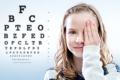
Good vision is important for a child’s educational, physical and social development. With approximately 1 in 5 Australian children suffering from an undetected vision problem, it is important to be aware of the possible signs of a vision problem to give every child the best chance of reaching their full learning potential. Optometry Australia recommends that children have a full eye examination with an optometrist before starting school and regularly as they progress through primary and secondary school. Our Optometrist Glen McGlip understands that children often have different eye problems than adults. He has completed a Masters in Behavioural Optometry at the UNSW and a Fellowship in Behavioural Optometry at the Australasian College of Behavioural Optometrists, the highest qualification attainable. Allow 30-45 minutes to have your child’s functional vision thoroughly checked. Visual perceptual testing and therapy is available for children who are having learning difficulties.
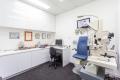
A routine eye examination in our office requires approximately 45 minutes. This period of time is needed to perform all the tests necessary to thoroughly asses your eyes and visual efficiency. During your examination a health history will be taken. It is important for you to provide all information, regardless of how insignificant you might think it is. Tests related to the following are all part of a complete examination: Eye health General physical health Clarity of vision (Myopia, Hyperopia, Astigmatism) Macular Degeneration Colour vision Focusing ability (Presbyopia) Eye muscle control Amblyopia (lazy eye) Glaucoma Cataract and other appropriate areas for each individual. 0048_SthrnOpt_090217 Following the examination, we will carefully explain the results of your testing and discuss our recommendations regarding any needed preventive or remedial care. During Your Eye Examination: An eye examination is a routine and pleasant experience. Some advice… Don’t worry about making a mistake or giving the wrong answer Don’t worry about your answers contradicting one another Don’t hesitate to say so if you are unable to answer some of the questions Don’t be alarmed if, for a few minutes during the examination, you find your vision getting worse instead of better.
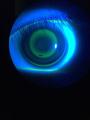
Myopia or short-sightedness occurs when the eye is too long relative to its focusing system. This causes light to focus in front of the retina instead of directly on the retina. This myopic defocus will typically make distant objects difficult to see. Myopia is the most common focusing error of the eye, and it has become more prevalent in recent years. Rates of the condition have doubled in recent decades and it is estimated that 36% of Australians will be myopic in 2020. High myopia has long been associated with sight-threatening conditions including myopic maculopathy, retinal detachment, cataract and glaucoma. Increasingly it is being recognised that even low to moderate degrees of myopia can increase the risk of such comorbidities. Myopia control aims to slow the progression of myopia to decrease the likelihood of sight-threatening conditions developing. Current evidence-based myopia control options are: - Orthokeratology - Multifocal soft contact lenses - Atropine eye drops - Time spent outdoors
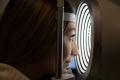
Orthokeratology involves the fitting of specially designed contact lenses that are worn when sleeping overnight. These lenses gently reshape the front surface of the eye (cornea). The reshaping changes the contour of the cornea allowing for clear vision the following day after the lenses are removed. Orthokeratology is perfectly suited to anybody with low to moderate myopia who wants clear natural vision all day, every day: - Mild to moderate myopia (-0.75 to –5.00D) - Mild astigmatism up to -1.50D - Active individuals or those with occupational demands not suited to standard RGP or disposable contact lenses - Lose their contacts easily, or suffer from allergies from some contact lenses - Have considered refractive surgery because of the freedom it provides, but are worried about the risks - Have difficulty with dry eyes from air conditioning, computer use or dusty environments - Find soft contact lenses do not fulfil the comfort demands their lifestyle places on their eyes.
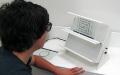
A behavioural optometrist will check clarity of sight at distance and near; the ability to align and focus the eyes; tracking and eye movements; processing of visual information, ability to sustain focus; eye teaming and the health of the eyes. Patients of all ages can benefit from a behavioural optometry examination.